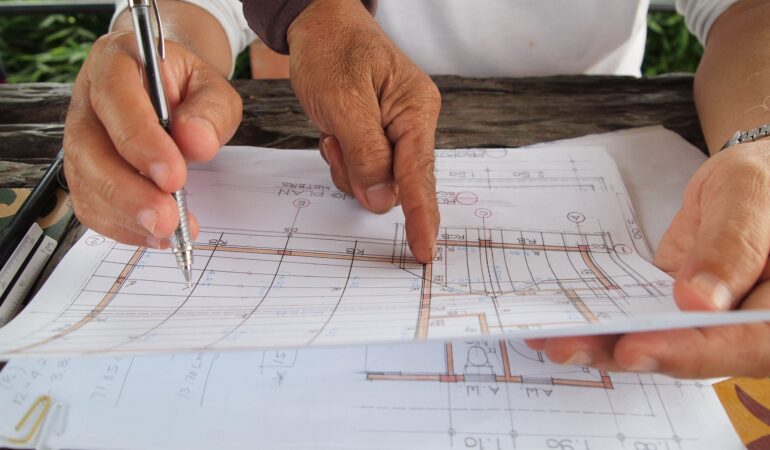

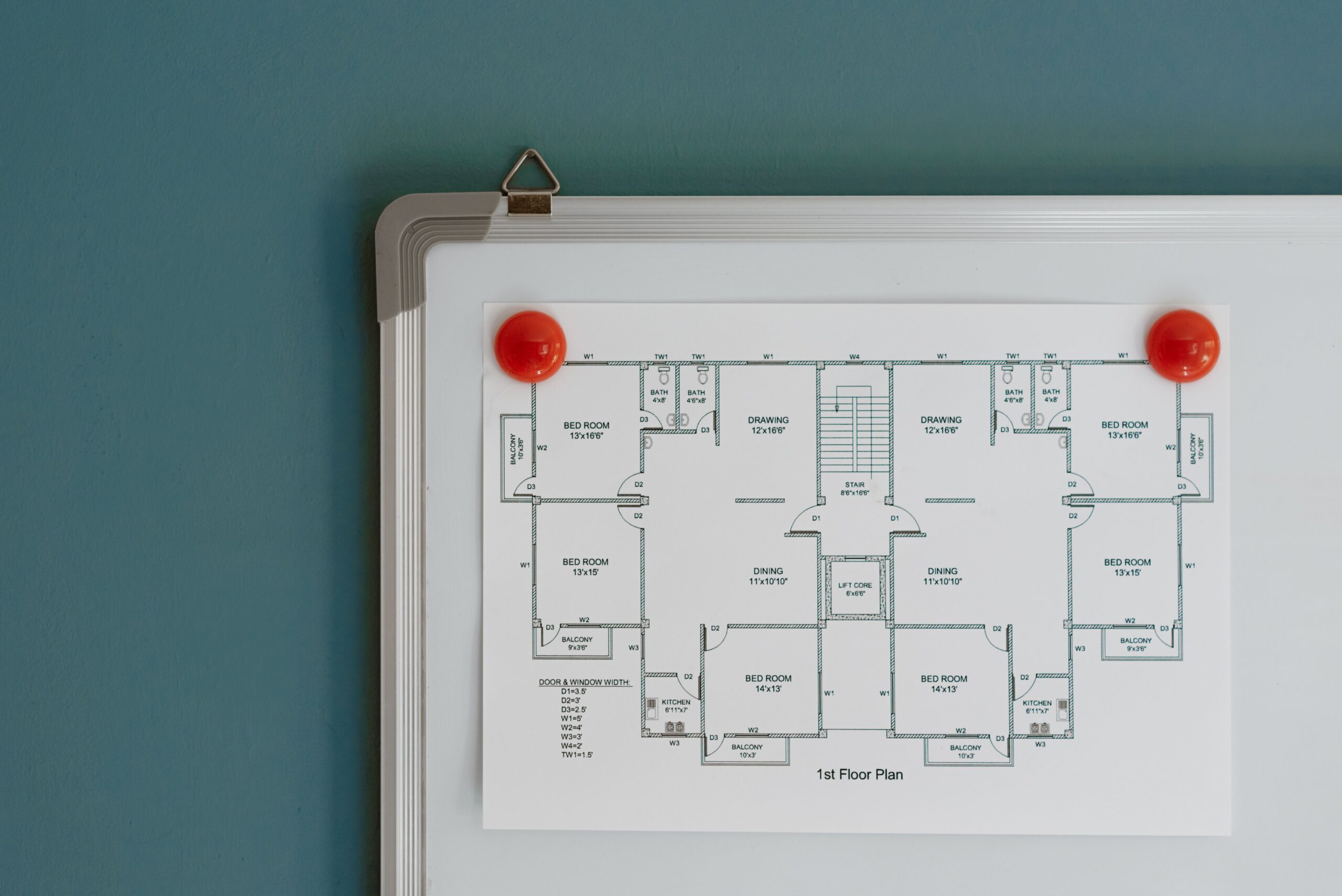
Most homeowners and developers only go through the permit process a handful of times in their life. We have been through it more than 800 times, and that difference shows up in ways that are easy to overlook until you are the one sitting across from a plan check reviewer wondering why your submission just got kicked back for the second time.
Anyone can promise a permit ready drawing set. What actually earns that claim is a track record of sets that cleared review, across different jurisdictions, different project types, and different reviewers with different priorities. After crossing 800 approved permit sets, I want to walk through what that volume of experience actually teaches a firm, where it shows up in how we work, and why it matters directly to your project, not just as a number on a page.
What 800 Permit Sets Actually Represents
A single permit set teaches you the requirements of one jurisdiction, on one project type, reviewed by one plan check reviewer with their own particular focus. Eight hundred permit sets teaches you the patterns underneath all of that, what reviewers across different municipalities consistently flag, which coordination gaps generate the most correction cycles, and which small details, an unlabeled egress dimension, an unstamped structural sheet, a drainage calculation that does not match the site plan, are disproportionately responsible for delay.
This is not a claim about talent or design sensibility. It is a claim about pattern recognition built from volume, the kind that only comes from having actually walked hundreds of projects through the specific, sometimes idiosyncratic requirements of real plan check departments.
Our team provides end-to-end architectural, structural, and MEP coordination to ensure your plans are compliant and ready for approval. Don’t let documentation delays hold you back.
Ready to turn your vision into a permit-ready project?
What That Experience Actually Changes About How We Work
We Know Which Corrections Are Preventable
Plan check correction letters generally fall into two categories, issues that reflect a genuinely complex or unusual site condition, and issues that reflect a coordination gap that should have been caught before submission. After 800 sets, we have a clear sense of which category most corrections fall into, and we build our internal review process specifically to catch the second category before it ever reaches a reviewer’s desk.
We Understand Jurisdiction Specific Patterns
Building departments are not uniform. Some are strict about specific dimensional callouts. Some scrutinize structural connection details more closely than others. Some require particular formatting for calculations that another jurisdiction would accept without comment. This kind of jurisdiction specific pattern recognition is not something that shows up in a code book, it comes from direct, repeated experience submitting sets into that specific review environment.
We Coordinate Disciplines With Reviewer Scrutiny in Mind
Architectural, structural, and MEP coordination is not just about making the disciplines agree with each other in the abstract. It is about anticipating exactly where a reviewer is most likely to cross check one sheet against another, and making sure that specific intersection holds up before submission, not after a correction comment identifies the gap.
We Know Where Homeowners and Developers Get Blindsided
Volume also teaches you where clients themselves are most likely to be caught off guard, an unexpected structural requirement on a second story addition, an impervious surface calculation that limits buildable area more than expected, a geotechnical requirement that was not obvious during early planning. We build these conversations into our process early, specifically because we have seen how often they surface late on projects that did not.
Common Mistakes We See From Firms and Drafters Without This Depth of Experience
Treating every jurisdiction as if it follows the same generic checklist. Code compliance on paper is not the same as satisfying a specific reviewer’s actual expectations, and firms without direct, repeated experience in a jurisdiction often submit sets that are technically compliant but still generate avoidable correction comments.
Underestimating how often existing conditions do not match old records. This is one of the most consistent sources of correction cycles we have seen across hundreds of projects, and it is entirely preventable with proper field verification before design begins.
Submitting sets without anticipating the reviewer’s likely cross checks. A drawing set can be internally consistent and still draw correction comments if it was not built with an understanding of how a specific reviewer typically scrutinizes coordination between sheets.
Treating each project as an isolated case with no pattern to draw from. Firms working at lower volume are working with less pattern data, which means more of their process is reactive, responding to correction comments after submission, rather than preventing them beforehand.
How This Track Record Translates Into Your Project
None of this matters as an abstract statistic. It matters because it directly affects how many correction cycles your specific project is likely to face, how predictable your permit timeline actually is, and how much of the guesswork has already been removed from your drawing set before it ever reaches a reviewer.
A firm with a genuinely deep track record is not guessing at what a plan check department wants. It has already seen that department’s actual patterns play out across dozens or hundreds of prior submissions, and it builds that knowledge directly into how your set gets prepared.
What to Ask Any Firm Before You Commit to a Drawing Package
Track record claims are only useful if they hold up to a few direct questions:
- How many permit sets has the firm actually taken through approval, not just designed or drafted?
- Does that experience include your specific jurisdiction, or primarily different ones with different requirements?
- What is the firm’s actual correction cycle rate, and how do they measure it?
- Does the firm’s process include internal review specifically built around common reviewer scrutiny points, or is coordination left informal?
- Can the firm speak specifically to patterns they have seen in projects similar to yours?
If a firm cannot answer these clearly, their track record claim may be more marketing than substance.
Why This Matters When You Choose Who Prepares Your Drawings
Every project deserves a drawing set built by a team that has actually seen what happens after submission, not just before it. Eight hundred approved permit sets is not a number we mention for its own sake, it is the foundation of a process built specifically to prevent the delays, correction cycles, and field surprises that come from experience nobody has actually accumulated yet.
If you want a drawing package built by a team with a genuine, proven track record of clearing permit review, we would welcome the conversation. Book a consultation and let’s talk through what that experience means for your specific project.
Our team provides end-to-end architectural, structural, and MEP coordination to ensure your plans are compliant and ready for approval. Don’t let documentation delays hold you back.
Ready to turn your vision into a permit-ready project?

Fayaz
Frequently Asked Question - FAQs
Yes, meaningfully. Firms with extensive, repeated experience across permit review generally understand jurisdiction specific patterns and common correction triggers well enough to prevent many of them before submission, which directly reduces the number of correction cycles a project typically faces.
Approval specifically means the set was reviewed by a plan check department and cleared, which is a meaningfully higher bar than simply producing drawings. A firm's approval track record reflects real world performance against actual regulatory review, not just design output.
Some patterns transfer, general coordination discipline and code literacy carry across jurisdictions, but specific requirements and reviewer tendencies can vary significantly by location. It is worth asking a firm directly about their specific experience in your jurisdiction, not just their overall volume.
This usually comes down to how thoroughly the set was coordinated across disciplines and how well it anticipated the specific requirements of the reviewing department before submission. Firms with deeper track records generally have more insight into what a first time submission needs to actually clear review.
Ask specifically how many sets they have taken through approval, whether that experience includes your jurisdiction, and what their typical correction cycle looks like. A firm with a genuine track record should be able to answer these questions directly and specifically, not just cite a general number.