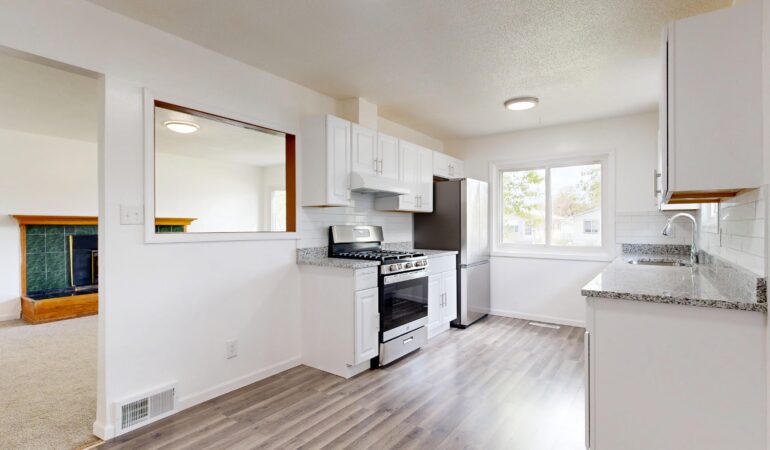

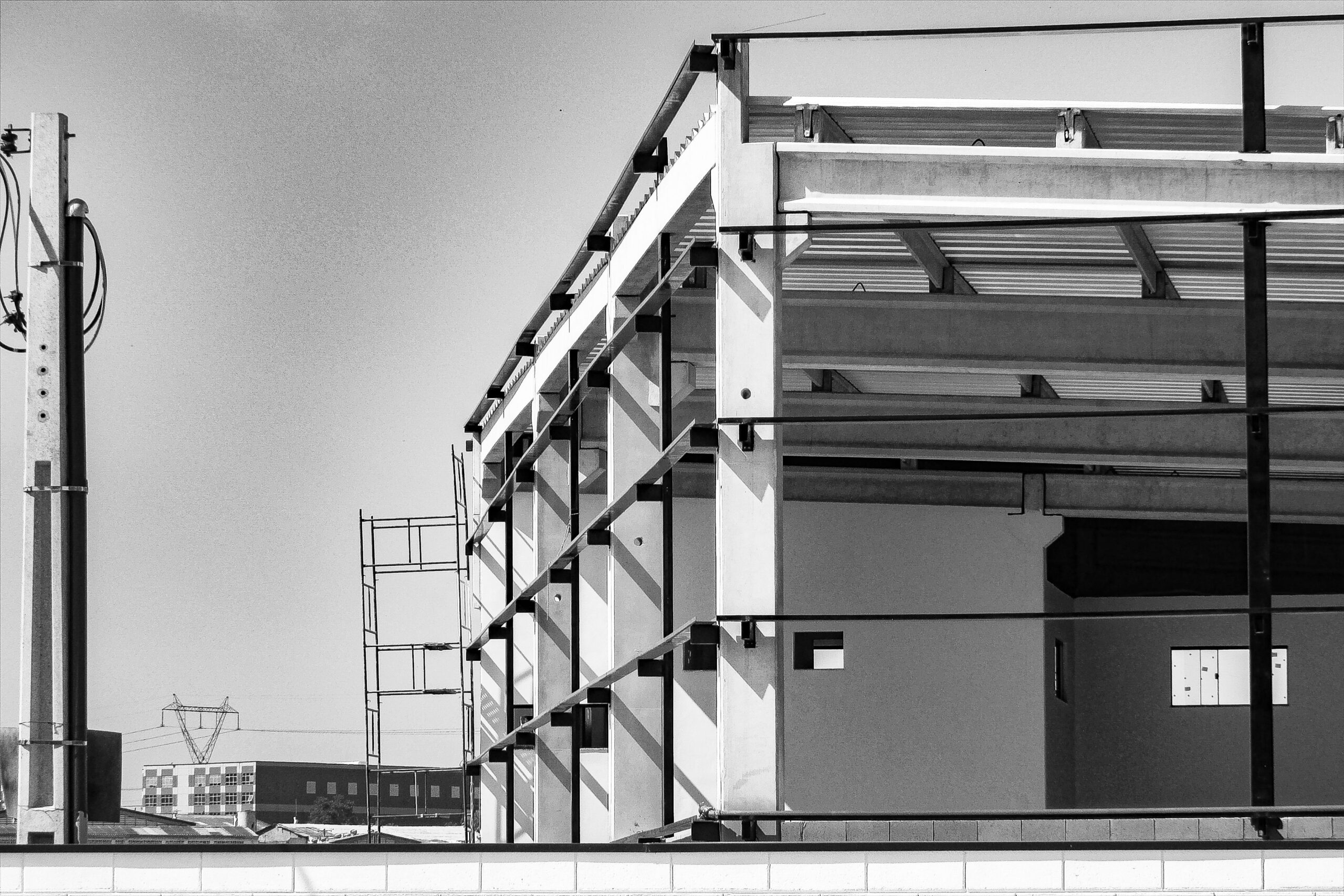
When a client receives their first complete permit drawing set, the reaction is often the same: surprise at the sheer volume of it. What they expected to be a single set of floor plans turns out to be a package of drawings organized into distinct disciplines — architectural sheets, structural sheets, and often mechanical, electrical, and plumbing sheets beyond those. The immediate question is a reasonable one: what is the difference between all of these, and do I actually need them all?
The distinction between architectural and structural drawings is one of the most practically important things a property owner, developer, or investor can understand about the design and construction process. These two drawing sets describe the same building from entirely different professional perspectives, answer entirely different questions, and are prepared by different licensed professionals with different areas of expertise and different legal responsibilities. Conflating them — or assuming one set makes the other unnecessary — is one of the more consequential misunderstandings we encounter in client conversations.
This guide gives you a clear, expert-level understanding of what each set contains, how they relate to one another, and why their coordination is one of the most critical quality indicators of a well-run project.
Our team provides end-to-end architectural, structural, and MEP coordination to ensure your plans are compliant and ready for approval. Don’t let documentation delays hold you back.
Ready to turn your vision into a permit-ready project?
The Fundamental Distinction: What vs How It Stands Up
The simplest way to frame the difference is this: architectural drawings describe what the building is — its spaces, its appearance, its function, its code compliance. Structural drawings describe how it stands up — the engineered system of members, connections, and foundations that give the building the capacity to resist gravity loads, lateral forces, and the physical demands of occupancy over its service life.
Both sets of drawings are describing the same physical object. But they are doing so through entirely different analytical lenses, using different professional languages, and answering different questions for different reviewers. A building department plan checker reviewing architectural drawings is asking: does this building comply with zoning requirements, building code occupancy provisions, egress standards, and accessibility requirements? A plan checker reviewing structural drawings is asking: is this structure adequately designed to resist the loads it will experience without failure?
Neither set answers the other’s questions. And a permit submission that includes one without the other — for any project that requires both — is an incomplete submission.
What Architectural Drawings Contain
Architectural drawings are the primary communication documents of the design. They are prepared by or under the responsible control of a licensed architect and typically constitute the largest portion of a permit drawing set by sheet count. They establish the design intent across every dimension of the building except the structural engineering, and they form the basis from which all other consultants — structural, mechanical, electrical, plumbing, civil — develop their own drawings.
Site Plan
The site plan documents the building’s placement on the property: its footprint, orientation, setbacks from property lines and other structures, parking, accessible routes, and relationship to public rights-of-way and utilities. It establishes zoning compliance — demonstrating that the project meets the jurisdiction’s requirements for lot coverage, floor area ratio, building height, and land use. The site plan is frequently the first document a planning department reviewer examines, and deficiencies here can stop a project before the building design is even reviewed.
Floor Plans
Dimensioned plans of each level of the building showing room layout and dimensions, wall locations and thicknesses, door and window locations and sizes, fixture locations in kitchens and bathrooms, built-in elements, and general spatial organization. Floor plans establish compliance with minimum room size requirements, ceiling heights, egress path widths, and occupancy load calculations. They are the primary reference document for contractors during construction layout.
Reflected Ceiling Plans
Plans drawn as if looking up at the ceiling from below — documenting ceiling heights, ceiling finish materials, lighting fixture locations (coordinated with electrical), HVAC diffuser and grille locations (coordinated with mechanical), and any soffits, coffers, or special ceiling conditions. Reflected ceiling plans are sometimes omitted from minimal permit sets but are essential for complex or high-specification projects where ceiling conditions require coordination across trades.
Building Elevations
Exterior elevation drawings showing all four faces of the building: building height, fenestration (window and door) design and placement, exterior material designations, relationship to finished grade, and compliance with any height or design review requirements. Elevations communicate the building’s appearance to planning reviewers and establish the design intent for exterior finish contractors.
Building Sections
Cross-sectional cuts through the building at key locations, showing interior relationships between floors, ceiling heights, roof pitch and construction, stair dimensions, and the overall vertical organization of the structure. Sections are among the most informative drawings in the set for understanding how a building is actually assembled — they show conditions that no plan or elevation can communicate.
Wall Sections and Details
Large-scale drawings of specific conditions in the building — typically at a scale of 1½” = 1′-0″ or larger — showing wall assembly compositions, flashing and waterproofing conditions, window and door installation details, parapet and roof edge conditions, and other locations where the building’s enclosure performance depends on precise construction methodology. These details are where the building science lives: vapor barriers, drainage planes, thermal bridging, and air sealing are all communicated here.
Door and Window Schedules
Tabulated lists of every door and window in the project, cross-referenced to the floor plans, specifying each unit’s size, type, material, glazing requirements, fire rating (where applicable), and hardware group. Window schedules in jurisdictions with energy code requirements also reference compliance with fenestration U-factor and solar heat gain coefficient (SHGC) limits.
Finish Schedules and Interior Elevations
On more detailed architectural sets, room-by-room finish schedules identify floor, wall, base, and ceiling materials, and interior elevation drawings show the design of key interior faces — kitchen and bathroom walls, reception areas, feature walls — communicating cabinetry layout, tile patterns, and millwork design to finish contractors.
Code Compliance Notes and Schedules
General notes, code analysis summaries, occupancy classification determinations, construction type declarations, and accessibility compliance matrices — the written documentation that accompanies the drawn elements and establishes the regulatory basis for the design decisions made throughout the set.
What Structural Drawings Contain
Structural drawings are prepared by or under the responsible control of a licensed structural engineer — a separate professional from the architect, with a distinct license and distinct professional liability. They describe the engineered system that gives the building its structural capacity and document the specific sizes, specifications, and connections of every load-carrying element.
Foundation Plan
A plan drawing showing the foundation system: the type of foundation (spread footings, continuous strip footings, mat slab, drilled piers, or driven piles, depending on soil conditions and building loads), the size and reinforcing of each foundation element, anchor bolt locations for wood sill plates or steel base plates, and any grade beam connections. The foundation plan is derived from a geotechnical investigation (soils report) that characterizes the site’s bearing capacity and makes recommendations for foundation design. The structural engineer designs the foundation to the geotechnical engineer’s recommendations — a coordination relationship that must be documented in the permit set.
Framing Plans
Floor and roof framing plans showing the structural members at each level: beam sizes and spans, joist sizes and spacing, bearing points, and the structural diaphragm (the sheathing that makes the floor or roof a rigid plate capable of collecting and transferring lateral forces). Framing plans are distinct from architectural floor plans, which show the same level from a use and layout perspective. The structural framing plan shows only the load-carrying elements and their properties — member sizes typically designated by nominal dimensions and species/grade for wood, or wide-flange designations (W8x31, for example) for steel.
Shear Wall Plans and Schedule
As discussed extensively in our previous guide on shear walls, the structural drawings include plans showing the location and type of every shear wall in the lateral force resisting system, along with a shear wall schedule specifying panel thickness, nailing pattern, and unit shear capacity. These drawings document the building’s resistance to lateral forces and are among the most carefully reviewed elements of the structural set.
Structural Details
Large-scale drawings of specific structural connections and conditions: beam-to-column connections, hold-down hardware at shear wall ends, drag strut connections, moment frame joint details, ledger connections at wood-to-concrete interfaces, and special conditions at discontinuities or transitions in the structural system. Structural details are the equivalent of architectural wall sections — they communicate precise, construction-critical information that cannot be conveyed at the scale of a plan drawing.
Column and Beam Schedules
Tabulated schedules identifying every structural column and beam in the project by mark number (cross-referenced to the framing plans), specifying size, material, and any special requirements. In steel construction, connection types and weld specifications may also be incorporated into these schedules or shown in separate connection details.
General Structural Notes and Specifications
Written documentation establishing the design basis: the applicable code edition, the governing loads (dead load assumptions, live load requirements per occupancy, wind speed and exposure category, seismic design parameters), material specifications (concrete compressive strength, reinforcing grade, lumber species and grade, steel yield strength), and special inspection requirements. General notes are the reference document that a building inspector, special inspector, or contractor uses to verify that the materials and methods used in the field conform to the engineered design.
Structural Calculations
In most jurisdictions, the structural engineer’s calculations — the mathematical analysis demonstrating that the designed structural system is adequate for the applied loads — are submitted with the permit drawings. Calculations are not drawn documents but are an essential part of the structural submission, providing the plan checker with the analytical basis for the structural decisions made on the drawings.
How Architectural and Structural Drawings Relate to Each Other
The relationship between architectural and structural drawings is one of iterative coordination — and the quality of that coordination is one of the clearest indicators of how well a project team is functioning.
Architectural drawings establish the design intent that structural drawings must support. The architect determines where walls are located, where openings occur, what spans are required between supports, and what the building’s massing and geometry look like. The structural engineer takes that design intent and determines how to make it stand up — sizing the members, selecting the foundation system, designing the lateral system within the constraints the architecture establishes.
This is not a one-way relationship. The structural engineer’s requirements regularly inform and sometimes constrain the architectural design. A beam of a certain depth affects the floor-to-floor height. A shear wall in a particular location limits an opening. A moment frame column affects the architectural plan. These structural realities must be resolved in the architecture — which requires ongoing, iterative communication between the architect and engineer throughout the design process.
When this coordination fails — when the structural drawings are developed independently from the architecture, or when the architect makes design changes without notifying the structural engineer — conflicts emerge. The most common: a structural beam that occurs where the architectural drawings show a flat ceiling, requiring a soffit that was not accounted for. A shear wall that falls in the middle of a window that appears on the architectural elevations. A foundation element that conflicts with a plumbing drain shown on the MEP drawings. These conflicts, discovered late, are expensive to resolve — and entirely preventable with proper coordination practice.
Why Both Sets Are Required for Permits
For any project beyond the most basic non-structural work, a complete permit submission requires both architectural and structural drawings — because the building department must review both the design compliance and the structural adequacy of the proposed construction.
Architectural drawings alone cannot tell a plan checker whether the proposed structure is adequately engineered. The beautiful floor plan does not reveal whether the long-span beam over the great room is sized for the load, or whether the hillside foundation can resist the overturning forces the building will experience in an earthquake. That information lives exclusively in the structural drawings and calculations.
Structural drawings alone cannot tell a plan checker whether the building meets zoning setbacks, egress requirements, accessibility standards, or fire protection provisions. Those determinations require the architectural set.
This is why permit submissions that omit either set — or that submit a minimal structural package without the calculations or details necessary for substantive review — generate correction letters requesting additional documentation. A plan checker cannot approve a building they cannot fully evaluate.
Common Mistakes That Create Problems
Treating the Structural Drawings as Subordinate Documents
Some clients — and some less experienced project teams — treat the structural drawings as a formality to be added after the architecture is complete and resolved. The structural engineer is brought in late, handed finished architectural drawings, and asked to produce a structural set on a compressed schedule. This approach virtually guarantees conflicts between the two sets, because the architecture was designed without structural input and the structure must now be retrofitted around decisions already made. Engaging the structural engineer during schematic design — when structural decisions can still inform the architecture — produces better buildings at lower cost.
Assuming Coordination Has Happened
On any project with multiple consultants, coordination between drawing sets must be actively managed — it does not happen automatically. Clients and project managers should ask specifically how conflicts between architectural and structural drawings are identified and resolved, and what the coordination process looks like across the full consultant team. Firms that use integrated BIM (Building Information Modeling) workflows — where all consultants work from a shared three-dimensional model — have significant coordination advantages over those working in disconnected CAD files.
Accepting Structural Drawings Without Adequate Detail
A structural drawing set that consists only of framing plans with member sizes but without connection details, hold-down schedules, or general notes is incomplete — both for the permit submission and for the contractor who must build from it. Ambiguity in structural documentation is resolved in the field, which means it is resolved by the contractor — not the engineer. Field-resolved structural decisions are frequently non-optimal and occasionally non-compliant. Insist on structural drawings that are detailed enough to leave no structural question unanswered on site.
Ignoring Special Inspection Requirements
The structural drawings and general notes specify which elements of the construction require special inspection — third-party verification by a qualified inspector that the work conforms to the approved drawings. Special inspection requirements are code-mandated for engineered structural systems and are not optional. Projects that proceed without engaging a special inspection agency, or where special inspection scopes are not coordinated with the structural engineer’s requirements, create significant compliance and liability exposure. Building departments increasingly verify special inspection compliance as a condition of issuing a Certificate of Occupancy.
Insider Tips: What a Well-Coordinated Drawing Set Looks Like
Sheet numbering and cross-referencing should be consistent across disciplines. Architectural sheets should reference structural details by their sheet and detail number, and structural sheets should reference architectural sheets for dimensional and layout information. A drawing set where the disciplines cannot find each other through the cross-reference system is a drawing set that was not properly coordinated.
Scale matters, and inconsistencies are warning signs. If the structural framing plan shows a wall in a location that does not match the architectural floor plan at the same scale, a conflict exists. Reviewing the two sets against each other for dimensional consistency — particularly at walls, openings, and column locations — is a basic coordination check that should happen before permit submission and again before construction begins.
A geotechnical report should always precede foundation design. Any structural drawing set for a new building or significant addition should reference a site-specific geotechnical investigation. Foundation designs based on assumed soil bearing capacities — without a soils report — are not engineered designs in any meaningful sense. If a structural set lacks a geotechnical reference, ask why.
Both stamps matter. The architectural drawings carry the licensed architect’s stamp. The structural drawings carry the licensed structural engineer’s stamp. Verify that both professionals hold current, active licenses in the state where the project is located — and that both are genuinely engaged in the work their stamps certify.
Our team provides end-to-end architectural, structural, and MEP coordination to ensure your plans are compliant and ready for approval. Don’t let documentation delays hold you back.
Ready to turn your vision into a permit-ready project?

Taswar Hussain
Frequently Asked Question - FAQs
For virtually any project involving new construction, additions, or structural alterations to an existing building, yes — both architectural and structural drawings are required for a complete permit submission. Architectural drawings address design compliance, occupancy, egress, and accessibility. Structural drawings address the engineered adequacy of the building's load-carrying system. Building departments must review both to approve a permit. The specific requirements vary by jurisdiction and project type — minor non-structural tenant improvements may not require structural drawings, and very simple structures in low-seismic areas may accept prescriptive structural documentation rather than full engineered drawings — but for most meaningful construction, both sets are required.
Architectural drawings are prepared by or under the responsible control of a licensed architect. Structural drawings are prepared by or under the responsible control of a licensed structural engineer — a separate professional with a distinct license, distinct training, and distinct professional liability. On most projects, the architect serves as the prime design professional and coordinates the work of the structural engineer (and other consultants) as part of an integrated design team. The architect and structural engineer maintain separate professional responsibilities for their respective drawing sets; the architect's stamp does not cover the structural drawings, and the structural engineer's stamp does not cover the architectural drawings.
Conflicts between architectural and structural drawings — where the two sets show incompatible conditions at the same location — must be resolved before construction proceeds at that location. The resolution requires communication between the architect and structural engineer, and depending on the nature of the conflict, may require a drawing revision submitted to the building department for approval. Contractors who discover conflicts during construction are typically required by their contracts to notify the design team and stop work at the affected location until the conflict is resolved — though in practice, this protocol is not always followed. Well-coordinated drawing sets minimize conflicts through active coordination during the design phase; they can never be entirely eliminated but should be rare in a well-managed project.
An architect's license does not authorize the preparation of structural engineering calculations or the stamping of structural drawings as the engineer of record. Structural engineering is a distinct licensed profession. However, for very simple structural conditions — and only in certain states — architects may prepare prescriptive structural documentation (standard framing plans following code-prescribed tables) without a separate structural engineer's involvement. For any project requiring engineered structural analysis — calculations, moment frame design, shear wall engineering, or complex foundation design — a licensed structural engineer must be engaged. Most significant residential and all commercial projects require engineering.
This is a question best answered by a licensed structural engineer reviewing the specific documents — which is precisely why peer review and plan check exist. From a client's perspective, there are several indicators of structural drawing completeness worth understanding. A complete structural set should include foundation plans with reinforcing schedules, framing plans at each level with member sizes, a shear wall layout and schedule, structural connection details, general structural notes with design parameters and material specifications, and supporting calculations. A structural set that consists only of framing plans without details, schedules, or calculations is almost certainly incomplete. If your permit submission was approved without structural drawings, verify with your architect or jurisdiction whether a structural exemption applies — and if not, understand why structural documents were not required. A Certificate of Occupancy issued on a building with inadequate structural documentation is not evidence that the structure is adequately engineered.